Vitamin C is one of the most important nutrients your body needs. It builds immunity, repairs skin and tissue, fights free radicals, and helps your body absorb iron. That is why finding the best food source for vitamin C and eating it regularly matters so much.
While fresh fruits get all the attention, many dried fruits and certain nuts are surprisingly high on vitamin C. Some of them even beat common citrus fruits in terms of nutrient density per gram.
In this blog, let’s explore some of the best dry fruits and nuts that act as a natural source of vitamin C and can easily fit into your daily diet for better health.
Top Vitamin C Rich Dry Fruits
1. Dried Amla (Indian Gooseberry) — 600–700 mg per 100g
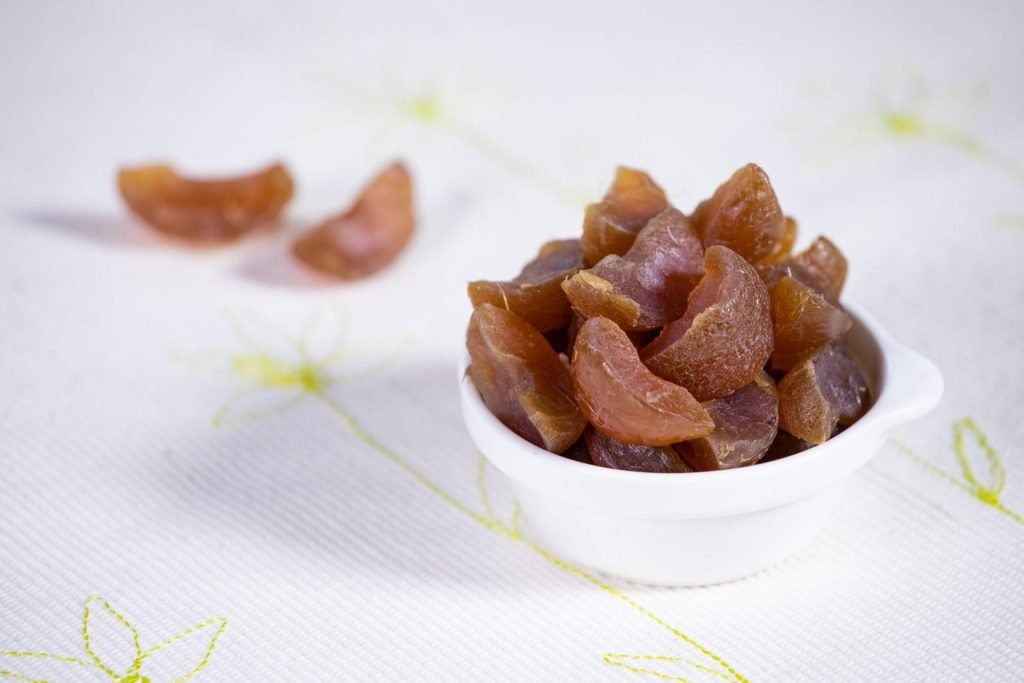
Amla is the undisputed vitamin C richest source in traditional Indian nutrition. It retains its vitamin C even after drying and is widely used in Ayurvedic medicine for immunity and digestion. Just one dried amla a day can meet your daily requirement.
Looking to add this powerful natural source of vitamin C to your routine? Explore our premium dried amla — 100% natural, no added sugar and perfect for daily consumption.
2. Dried Acerola Cherry — ~1500 mg per 100g (fresh)
Acerola is among the highest source of vitamin C found in any fruit globally. The dried form is commonly sold as a powder or supplement and is extremely high on vitamin C. Even a small teaspoon of acerola powder delivers a powerful nutrient punch.
3. Dried Rosehips — ~426 mg per 100g
Rosehip powder or dried rosehips are one of the best natural sources of vitamin C among all dried foods. Used for centuries as a natural immune tonic, rosehips also contain antioxidants that support skin health and reduce inflammation.
4. Dried Goji Berries — ~48 mg per 100g
A steadily popular superfood and a decent best food source for vitamin C among berries. Goji berries also contain zeaxanthin and antioxidants that support eye and immune health. They are easy to snack on and widely available.
5. Freeze-Dried Strawberries — ~58 mg per 100g
Freeze-dried strawberries preserve their vitamin C very well. They are high on vitamin C and make an excellent topping for cereals, smoothie bowls, and trail mixes. Look for varieties with no added sugar.
6. Dried Apricots
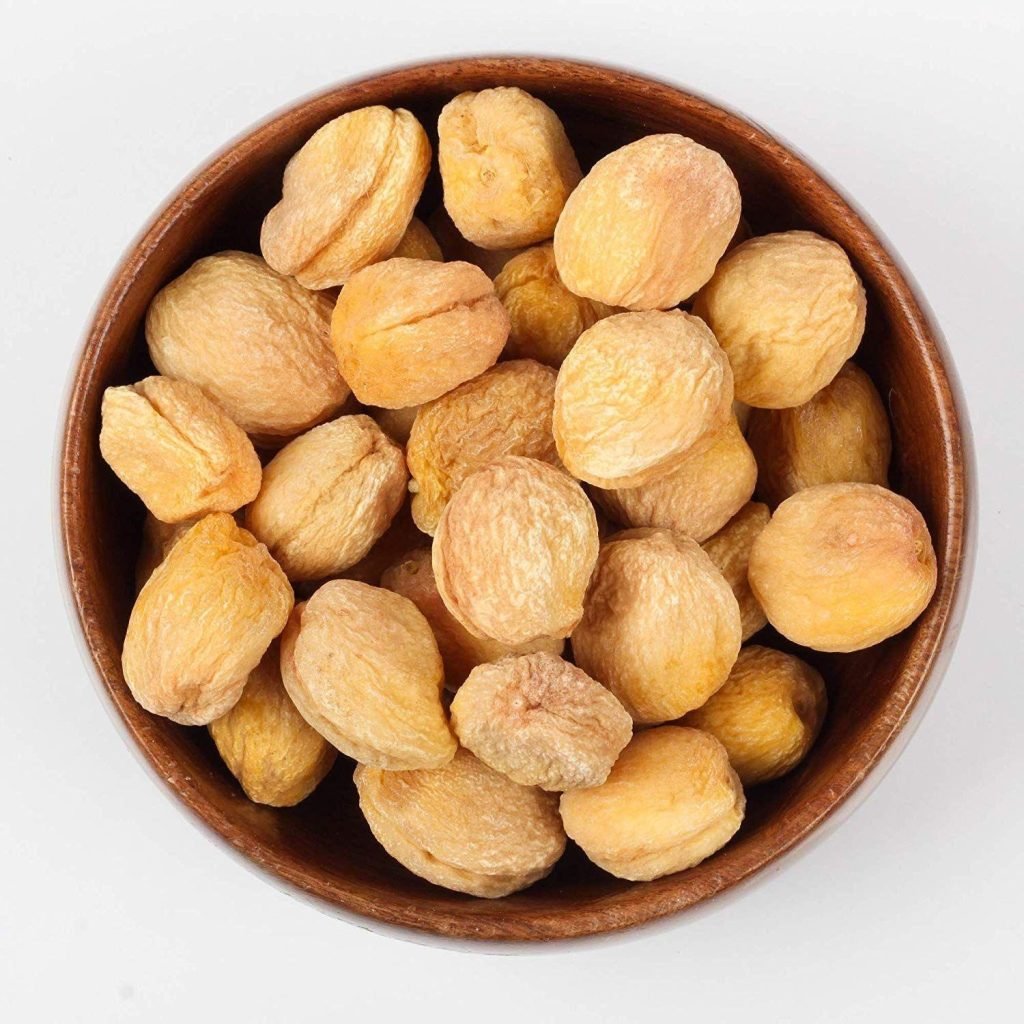
While not as concentrated, apricots are a widely available natural source of vitamin C and provide beta-carotene and iron alongside their vitamin content — making them a well-rounded daily snack choice.
Nuts and Seeds with Vitamin C
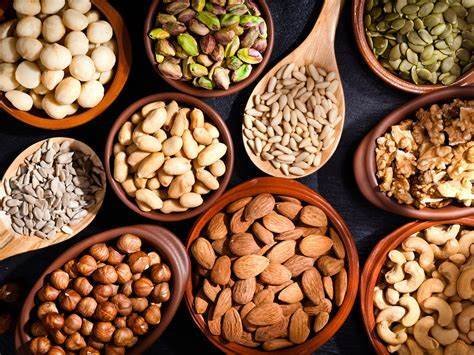
Most nuts are not famous for vitamin C — they are better known for healthy fats and minerals. But a few stand out as a meaningful natural source of vitamin C, especially when eaten alongside other vitamin C foods.
Chestnuts — ~43 mg per 100g
One of the only true nuts that qualify as a best food source for vitamin C. Chestnuts are also lower in fat than other nuts and rich in carbohydrates and fiber. They make a great roasted snack in cooler months.
Pine Nuts and Sunflower Seeds
While not the highest source of vitamin C on their own, these nuts and seeds pair perfectly with vitamin C-rich dried fruits in trail mixes. Sunflower seeds are high in vitamin E, which works alongside vitamin C in the body to support skin and immune function.
How to Add These to Your Daily Diet
- Mix dried amla powder into warm water or juice every morning for a quick vitamin C boost.
- Make your own trail mix with dried goji berries, freeze-dried strawberries, chestnuts, and pine nuts.
- Add dried rosehips to herbal teas — steep for 10 minutes for a soothing natural source of vitamin C drink.
- Sprinkle acerola powder onto yogurt, smoothies, or fruit bowls for the highest source of vitamin C in powdered form.
- Use sunflower seeds and dried apricots together in salads — the combination supports iron absorption along with vitamin C intake.
How Much Vitamin C Do You Need?
The daily recommended intake for most adults is around 65 to 90 mg per day. Smokers, pregnant women, and people under physical stress may need more. A small handful of dried amla or a teaspoon of acerola powder alone can meet or exceed your daily requirement — making these truly among the best food sources for vitamin C available.
Unlike vitamin supplements, whole food sources like dry fruits also deliver fiber, antioxidants, and trace minerals your body needs. The combination makes the effect more powerful and more lasting.
A Word on Storage and Quality
To keep vitamin C levels intact in your dry fruits, always store them in an airtight container away from heat and sunlight. Avoid varieties with added sugar or preservatives. Choose minimally processed, low-temperature dried options whenever possible for the best nutritional results.
Final Thoughts
Dry fruits and certain nuts are some of the most underrated sources of vitamin C available today. From the vitamin C richest source like amla and acerola to everyday options like goji berries and chestnuts, these foods are easy to use, simple to store, and powerfully nutritious. Making them a part of your daily routine is one of the easiest natural ways to support your immunity, skin, and overall health — no orange peeling required.