
Vitamin C is one of the most important nutrients your body needs every single day. And the good news? You do not need supplements to get it. A few slices of the right citrus fruit can do the job — naturally, deliciously and affordably.
Your body needs Vitamin C every single day. But here is the thing — your body cannot make it on its own. So, you have to get it from the food you eat. And one of the easiest, most natural ways to do that is by eating citrus fruits.
Citrus fruits are not just refreshing and delicious. They are also packed with Vitamin C, fiber, antioxidants and other essential nutrients that your body needs to stay healthy. Moreover, they are affordable and easy to find in almost every Indian market, no matter the season.
In this article, we will look at the top 4 citrus fruits that are richest in Vitamin C, understand why each one is good for you and explore simple ways to add them to your daily diet. Whether you want to boost your immunity, improve your skin or simply eat healthier, these fruits are a great place to start.
Why Does Your Body Need Vitamin C?
Before we get into the fruits, let us take a moment to understand why Vitamin C matters so much.
Vitamin C is a powerful antioxidant. That means it helps protect your body’s cells from damage caused by harmful molecules called free radicals. On top of that, it plays a key role in building collagen, which is the protein that keeps your skin firm, your joints healthy, and your wounds healing properly.
Furthermore, Vitamin C helps your body absorb iron from plant-based foods like dal and spinach. This is especially important for vegetarians. It also strengthens your immune system, which means your body becomes better at fighting off infections, colds and illnesses.
The recommended daily intake of Vitamin C is about 65 to 90 milligrams (mg) for most adults. As you will see, the right citrus fruit can help you reach that goal easily — without any supplements.
1. Lemon
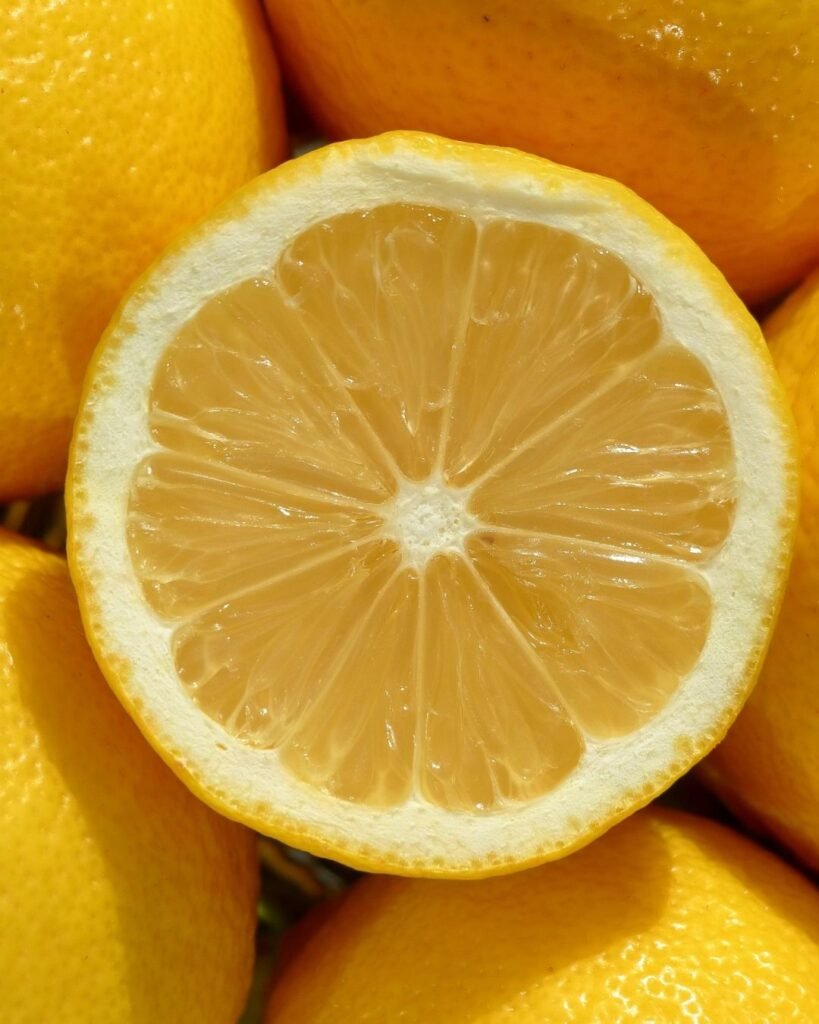
Vitamin C Content: Around 53 mg per 100g
Lemon is one of the most common citrus fruits in kitchens. One medium-sized lemon contains enough Vitamin C to cover more than half of your daily requirement. It is sharp, tangy, and incredibly easy to use in everyday cooking.
Lemons are rich in flavonoids, which are natural plant compounds that help reduce inflammation in the body. Moreover, the citric acid in lemons supports digestion by increasing the production of digestive juices. As a result, your body is able to absorb nutrients from food more efficiently.
Research also shows that drinking lemon water regularly may help reduce the risk of kidney stones by increasing the level of citrate in urine, which prevents stone formation.
How to use it daily: Squeeze half a lemon into a glass of warm water every morning. This simple habit supports digestion, boosts immunity, and gives your body a fresh dose of Vitamin C right at the start of the day.
You can also try Dry Lemon for a convenient way to get the same benefits year-round.
2. Orange
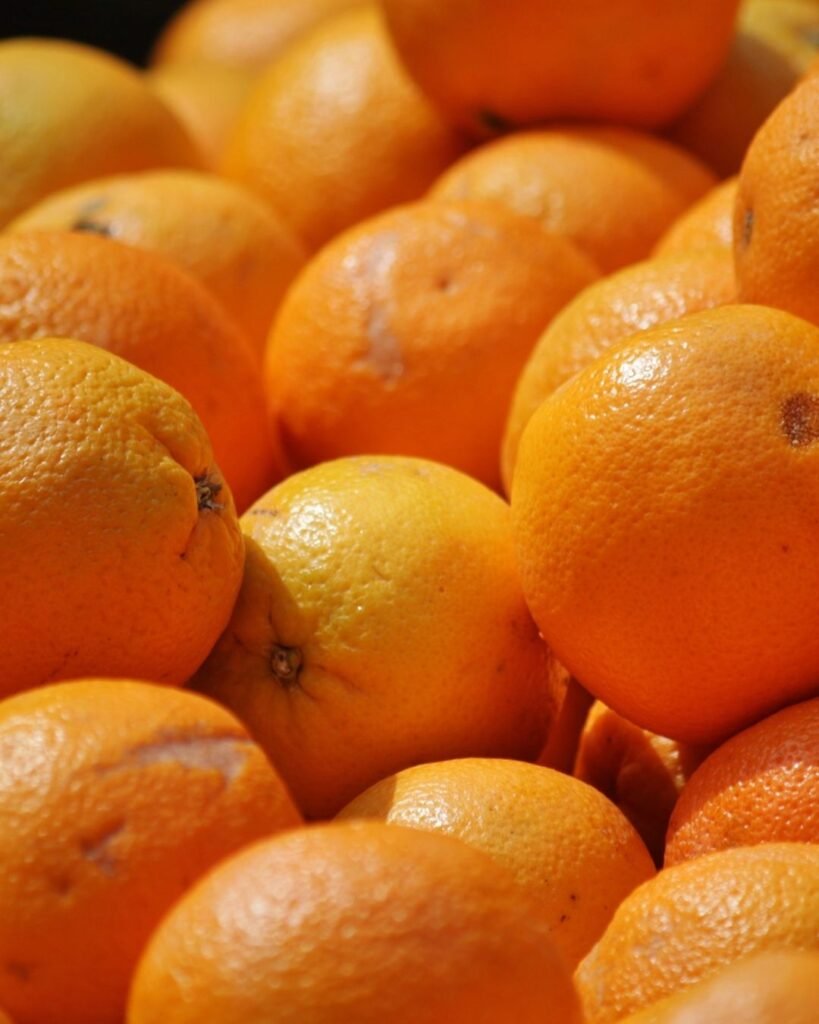
Vitamin C Content: Around 53–70 mg per medium orange
The orange is one of the most popular fruits in the world. One medium orange provides nearly 70 mg of Vitamin C — which is almost a full day’s requirement in a single fruit. Beyond Vitamin C, oranges are also a good source of fiber, folate, potassium and thiamine.
Studies have consistently linked regular orange consumption with a lower risk of heart disease, improved skin health and better immune function. In addition, the natural sugars in oranges come packaged with fiber, so they digest slowly and do not cause sudden blood sugar spikes the way processed snacks do.
Eating a whole orange is always better than drinking packaged orange juice, because the whole fruit retains its fiber content. Furthermore, whole fruit keeps you fuller for longer, which makes it a smarter snack choice overall.
How to use it daily: Eat a whole orange as a mid-morning snack. You can also add orange segments to a fruit salad or squeeze fresh orange juice at home without straining it, so you keep all the fiber.
3. Grapefruit
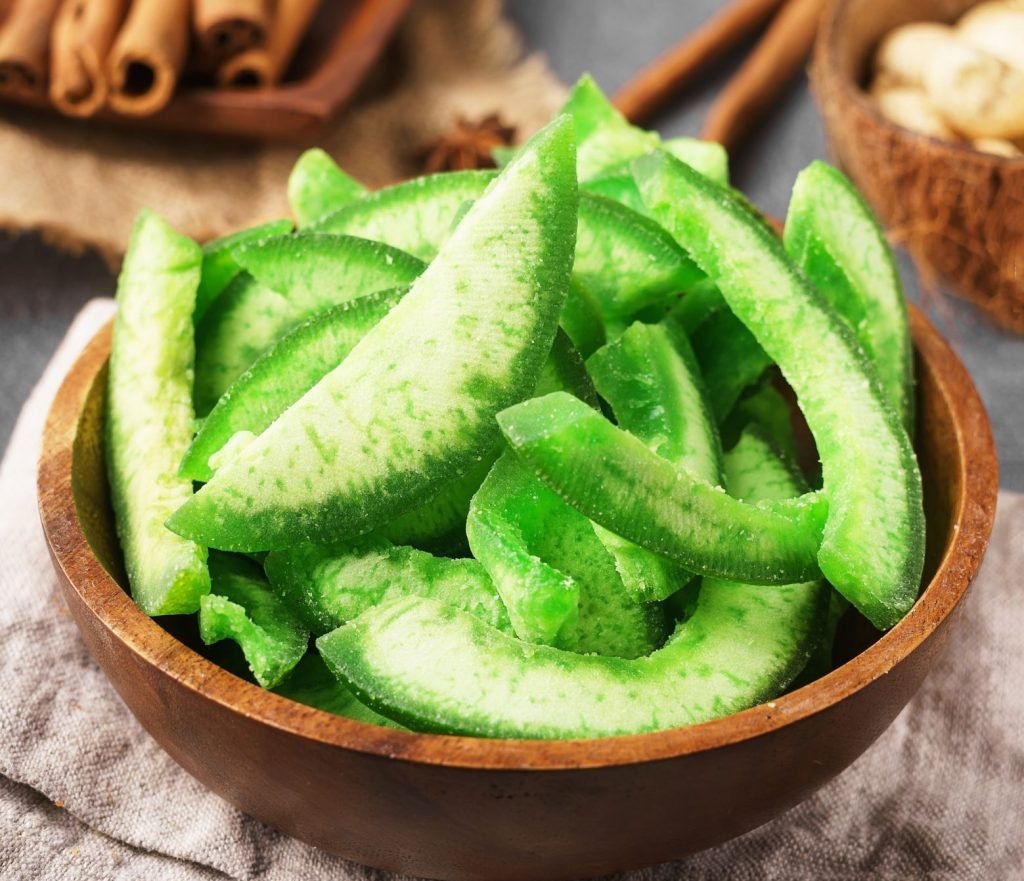
Vitamin C Content: Around 64 mg per half fruit
Grapefruit does not get as much attention as lemons or oranges, but it is one of the most nutritious citrus fruits you can eat. Half a grapefruit provides around 64 mg of Vitamin C, and it is low in calories while being high in water content. This makes it a wonderful fruit for people who are trying to manage their weight while still getting enough nutrients.
Research suggests that grapefruit may help improve insulin sensitivity, which is good news for people at risk of Type 2 diabetes. Moreover, it has been shown to support heart health by helping reduce LDL (bad) cholesterol levels over time.
However, it is important to note that grapefruit can interact with certain medications, including some used for blood pressure and cholesterol. So, if you are on any prescribed medicines, it is best to check with your doctor before adding grapefruit to your daily routine.
How to use it daily: Slice half a grapefruit and enjoy it at breakfast. If the taste feels too bitter, a light drizzle of honey can balance it nicely without adding too many extra calories.
Looking for a dried alternative? Try our Dry Grapefruit — easy to snack on anytime.
4. Amla (Indian Gooseberry)
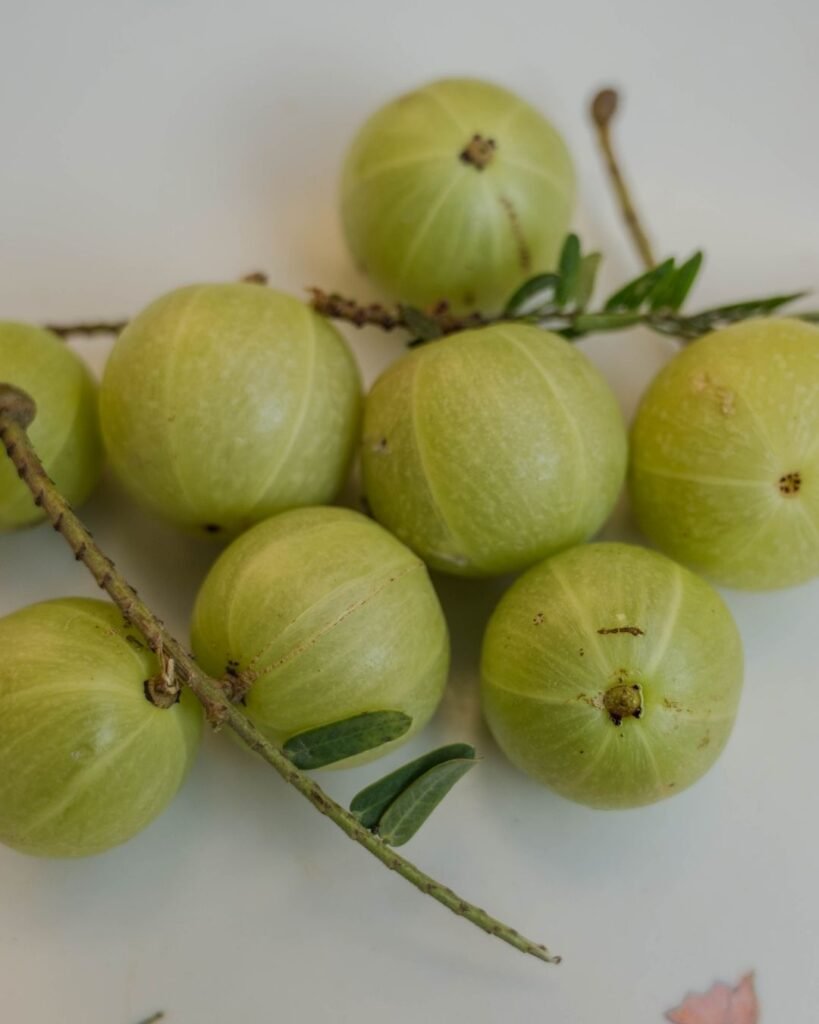
Vitamin C Content: Around 600–700 mg per 100g
The Indian gooseberry also known as amla, is one of the richest natural sources of Vitamin C on the entire planet. A single amla fruit contains up to 600–700 mg of Vitamin C — nearly ten times the amount found in an orange.
What makes amla even more special is that its Vitamin C is heat-stable. Unlike most fruits where Vitamin C breaks down during cooking, amla retains a large portion of its nutritional value even when dried, cooked or processed. This is why amla powder and amla murabba (a traditional sweet preserve) are so widely used in Indian homes and Ayurvedic medicine.
Amla supports liver health, promotes healthy hair and skin, reduces inflammation, and boosts overall immunity. Moreover, it has been used in Ayurvedic practice for thousands of years as a rejuvenating tonic for the entire body.
Because of its intensely sour and astringent taste, most people prefer to consume amla as juice, powder mixed in water, or in the form of murabba rather than eating it raw.
How to use it daily: Take one teaspoon of amla powder mixed in a glass of warm water every morning, or drink fresh amla juice diluted with a little honey. This is one of the most powerful and simple wellness habits you can build for yourself.
You can also try our Dry Gooseberry Amla with Red Chilly — a traditional and tasty way to get your daily amla dose.
Final Thoughts
Getting enough Vitamin C every day does not have to be difficult or expensive. As you can see from this list, nature has already done the hard work for us. All five of these citrus fruits are easy to find, simple to use, and incredibly good for your health.
The key is consistency. You do not need to eat all five fruits every day. Instead, try rotating them through your week. Have lemon water in the morning, pack an orange for a snack, squeeze lime over your lunch, and try amla juice a few times a week. Over time, these small habits will make a real difference to your energy, immunity, skin and overall well-being.
Frequently Asked Questions
1. Which citrus fruit has the highest Vitamin C?
Amla (Indian Gooseberry) tops the list with 600–700 mg of Vitamin C per 100g, nearly ten times more than an orange.
2. How much Vitamin C do I need every day?
Most adults need 65 to 90 mg daily — one orange or a small piece of amla is enough to meet that easily.
3. Is it okay to eat citrus fruits every day?
Yes, eating citrus fruits daily is completely safe and beneficial for immunity, skin, and digestion.
4. What is the best time to eat citrus fruits?
Morning on an empty stomach is ideal — lemon water or amla juice helps absorb nutrients better and kickstarts digestion.
5. Can Vitamin C from fruits replace supplements?
Yes, whole fruits are always better than supplements as they also provide fiber, antioxidants, and other essential nutrients.
6. Does cooking destroy Vitamin C in citrus fruits?
Yes for most fruits, but amla is an exception — its Vitamin C stays stable even when dried or cooked.
7. Is dry amla as good as fresh amla?
Yes, dry amla retains most of its Vitamin C and antioxidants and is more convenient with a longer shelf life.
8. Can citrus fruits help with skin glow?
Vitamin C boosts collagen production which firms the skin, reduces dark spots, and adds a natural healthy glow over time.
9. Are citrus fruits good for weight loss?
Yes, they are low in calories, high in fiber and water, keep you full longer, and support a healthy metabolism.
10. Can children eat citrus fruits daily?
Yes, citrus fruits are great for children’s immunity and growth — just introduce them gradually to avoid acidity in young kids.