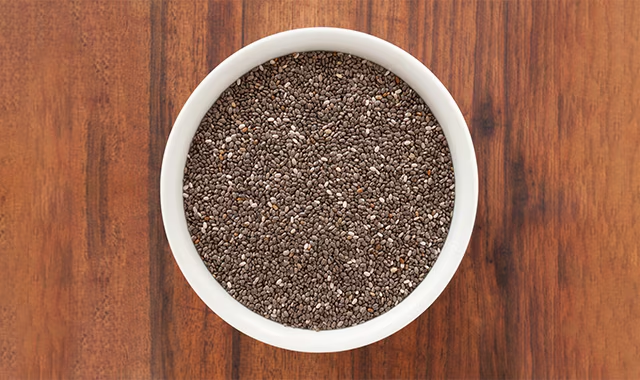
Yes, chia seeds can help relieve constipation because they are rich in dietary fiber and absorb water to form a gel-like texture. This gel helps soften stool and improve bowel movement regularity. When combined with enough water and a balanced diet, chia seeds may support healthy digestion and reduce constipation.
Constipation is one of the most common digestive problems people face today. Many people experience hard stools, bloating or irregular bowel movements because of low fiber intake, dehydration or may be due to poor diet habits.
As a result, people often look for natural foods that support digestion. Chia seeds are becoming a popular choice because they contain high amounts of fiber and absorb water easily. When they are consumed with right proportion, they help soften stool and support smoother digestion.
Top Health Benefits of Chia Seeds for Constipation
1. High Fiber Content Supports Regular Bowel Movements
Chia seeds are one of the richest natural sources of dietary fiber. Just one tablespoon contains a significant amount of fiber that supports digestive health.
Fiber helps move waste through the digestive system more efficiently. When people do not consume enough fiber, stool can become dry and difficult to pass.
Chia seeds contain both soluble and insoluble fiber. Insoluble fiber adds bulk to stool, while soluble fiber absorbs water and softens it. This combination helps support smoother and more regular bowel movements.
Adding small amounts of chia seeds to your daily diet can gradually improve digestive regularity and reduce constipation.
2. Absorbs Water and Softens Stool
One of the most unique properties of chia seeds is their ability to absorb water. When soaked in liquid, they form a gel-like texture.
This gel helps increase moisture in the digestive system. As a result, stool becomes softer and easier to pass.
However, hydration is very important when eating chia seeds. Without enough water, fiber may not work properly and digestion may become uncomfortable.
When chia seeds are soaked and consumed with adequate fluids, they can support smooth digestion and reduce constipation symptoms.
3. Supports Healthy Gut Bacteria
Gut health plays an important role in digestion. Chia seeds act as a prebiotic food, which means they help feed beneficial bacteria in the gut.
Healthy gut bacteria support digestion by breaking down food and producing helpful compounds that improve intestinal movement.
A balanced gut microbiome also helps reduce bloating, gas, and digestive discomfort. Over time, improving gut bacteria may support more regular bowel movements.
Because chia seeds provide natural fiber and plant nutrients, they contribute to a healthier digestive environment.
4. Helps Improve Digestive Movement
The digestive system depends on natural muscle contractions to move food and waste through the intestines.
Fiber-rich foods help stimulate this natural movement, known as intestinal motility. Chia seeds help increase stool bulk and promote smoother movement through the colon.
When digestion slows down, stool may remain in the intestines longer and become dry. This is a common cause of constipation.
Adding fiber-rich foods like chia seeds may help stimulate natural digestive movement and support consistent bowel habits.
5. Reduces Bloating Linked to Poor Digestion
Constipation often leads to bloating and abdominal discomfort. When waste remains in the digestive system too long, gas can build up.
Chia seeds support digestion by improving stool consistency and movement through the intestines. This may help reduce bloating over time.
In addition, the gel formed by chia seeds can help soothe the digestive tract. This gentle effect supports smoother digestion and may reduce discomfort.
Regular intake of fiber from natural foods can help improve overall digestive balance.
6. Helps Maintain Healthy Hydration in the Gut
Hydration is essential for preventing constipation. When the body lacks enough fluid, stool becomes harder and more difficult to pass.
Chia seeds can absorb many times their weight in water. When soaked, they hold moisture that helps maintain hydration in the digestive system.
This additional moisture supports softer stools and smoother bowel movements.
However, it is important to drink enough water throughout the day when consuming chia seeds to support their digestive benefits.
7. Supports Overall Digestive Health
Beyond relieving constipation, chia seeds provide nutrients that support the digestive system. They contain antioxidants, healthy fats, and plant-based nutrients.
These nutrients help reduce inflammation and support intestinal health. A healthy digestive system improves nutrient absorption and overall wellness.
When eaten regularly in moderate amounts, chia seeds can become a simple part of a digestion-friendly diet.
How to Use Chia Seeds for Constipation
There are several easy ways to include chia seeds in your daily diet.
Some common options include:
• Soak chia seeds in water overnight and drink in the morning
• Add soaked chia seeds to smoothies
• Mix chia seeds into yogurt or oatmeal
• Sprinkle chia seeds on fruit bowls or salads
• Make chia pudding with milk or plant-based milk
Soaking chia seeds before eating them is often recommended because it improves digestion and prevents discomfort.
Who Can Benefit the Most
Chia seeds may be especially helpful for people who:
• Experience frequent constipation
• Eat low-fiber diets
• Have irregular bowel movements
• Experience digestive sluggishness
• Want to improve gut health naturally
People who sit for long hours or do not consume enough fruits and vegetables may also benefit from adding chia seeds to their diet.
Best Time to Take Chia Seeds for Constipation
Chia seeds can be consumed at different times depending on personal preference.
Morning:
Taking soaked chia seeds in the morning may help stimulate digestion and support bowel movements during the day.
Before meals:
Chia seeds before meals may support digestion and improve fullness.
Before bedtime:
Some people prefer taking chia seeds at night so the fiber works overnight to support morning bowel movements.
The most important factor is consistency and adequate water intake.
Possible Side Effects or Precautions
Although chia seeds are healthy, consuming too many may cause digestive discomfort.
Important precautions include:
• Start with small amounts if you are new to fiber
• Always drink enough water
• Avoid eating dry chia seeds in large amounts
• People with digestive conditions should consult a healthcare professional
Moderation helps prevent bloating or gas while allowing the digestive system to adjust.
Frequently Asked Questions (FAQs)
How long do chia seeds take to relieve constipation?
Some people may notice improvements within 24–48 hours when chia seeds are consumed with adequate water and fiber-rich foods.
Should chia seeds be soaked for constipation?
Yes. Soaking chia seeds helps them form a gel that supports digestion and reduces the risk of digestive discomfort.
How much chia seeds should I take for constipation?
Most people can start with 1–2 tablespoons per day combined with plenty of water.
Can chia seeds worsen constipation?
If eaten dry or without enough water, chia seeds may cause digestive discomfort. Proper hydration is important.
Are chia seeds better than flax seeds for constipation?
Both chia seeds and flax seeds contain fiber and can support digestion. The best choice depends on individual preference and diet.