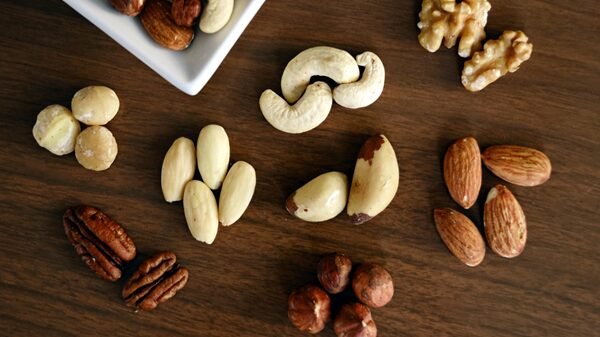
Macadamia nuts are best for a rich, buttery taste and heart-healthy fat. Brazil nuts are best for selenium, but only one or two a day. Pine nuts, especially Himalayan chilgoza, are best for cooking and for feeling full longer, though they cost the most. If you want the best value for daily eating, macadamia nuts and Brazil nuts work out cheaper per serving than pine nuts.
Almonds, cashews, and walnuts get most of the attention in Indian kitchens. But macadamia nuts, Brazil nuts, and pine nuts have been showing up more often in gift boxes, keto diets, and gourmet recipes. They also cost a lot more than regular nuts, so it helps to know what you are actually paying for before you buy.
This guide explains where each of these three nuts comes from, what makes them expensive, their real health benefits, and which one fits your goal, whether that is health, cooking, or gifting.
What Makes a Nut “Exotic” and Why Does It Cost More?
An exotic nut, in the Indian market, usually means a nut that is not grown locally and has to be imported. Macadamia, Brazil nuts, and true pine nuts all fall into this group. Import duty, long shipping routes, and low yields per tree all add to the final price. Some of these trees also take several years to mature before they produce any nuts at all, so the wait itself becomes part of the cost.
Macadamia Nuts
Where They Come From and Why They Cost So Much
Macadamia nuts originally come from Australia, though most of the nuts sold today are grown in Hawaii, South Africa, and Kenya. The trees take seven to ten years before they start producing, and the shell is one of the hardest of any nut, so cracking it needs special machines. This slow, labour-heavy process is the main reason macadamia nuts sit near the top of the price list.
Health Benefits
Macadamia nuts have the highest fat content of any common nut, and most of that fat is monounsaturated, the same heart-healthy fat found in olive oil. They also carry manganese, thiamine, and small amounts of iron. Because they are so low in carbs, macadamia nuts are one of the most keto-friendly nuts available.
Best Way to Eat Them
Macadamia nuts work well eaten plain, roasted, or crushed as a coating for chicken or fish. A serving is around 10 to 12 nuts, since they are calorie dense.
Brazil Nuts
Selenium: The Nut’s Biggest Strength and Its Risk
Brazil nuts are harvested from tall trees in the Amazon rainforest, and they are the richest natural source of selenium of any food. A single Brazil nut can carry close to a full day’s requirement of selenium, a mineral your body needs for thyroid and immune function. This is a strength, but it is also the reason Brazil nuts come with a warning.
How Many Brazil Nuts Are Safe a Day?
Eating too many Brazil nuts can push your selenium intake past a safe limit, which can lead to hair loss, fatigue, and skin problems over time. Most nutrition guidance suggests one to three Brazil nuts a day is enough. More is not better here.
Pine Nuts (Chilgoza)
Why Chilgoza From Kashmir Costs So Much
True pine nuts, sold in India as chilgoza, come mostly from the Himalayan chir pine, grown at high altitude in Kashmir and neighbouring regions. A single pine cone can take up to three years to mature, and harvesters climb tall trees by hand to collect them. Because the process is slow and risky, chilgoza is usually the most expensive nut on the shelf, often priced well above macadamia and Brazil nuts.
Health Benefits: Pinolenic Acid and Appetite
Pine nuts carry a fatty acid called pinolenic acid, which is rare in other nuts. Early research suggests it may help trigger the hormone that signals fullness to your brain, which is why pine nuts are often linked to appetite control. They also carry a good amount of protein for a nut, along with iron and magnesium.
Macadamia vs Brazil Nuts vs Pine Nuts: Quick Comparison
| Nut | Standout Nutrient | Price in India | Best For |
| Macadamia Nuts | Monounsaturated fat | High | Keto diet, heart health, gifting |
| Brazil Nuts | Selenium | Moderate to high | Thyroid and immune support, in small amounts |
| Pine Nuts (Chilgoza) | Pinolenic acid, protein | Highest | Cooking, appetite control, premium gifting |
Which One Should You Buy?
The right choice depends on what you actually want from it.
- For a daily keto or low-carb snack: macadamia nuts give you the most healthy fat for the fewest carbs.
- For a mineral boost in a small dose: Brazil nuts work well, but stick to one or two a day.
- For cooking, pesto, or a premium gift box: pine nuts add the most flavour and stand out the most, even in small amounts.
- For the best value on a budget: buy macadamia or Brazil nuts before chilgoza, since pine nuts cost the most per gram by a wide margin.
How to Store Exotic Nuts So They Don’t Go Rancid
All three of these nuts are high in fat, which makes them perishable faster than almonds or cashews. Heat, light, and air cause the oil in the nut to turn rancid within weeks if stored poorly. Keep them in an airtight container in the fridge, or in the freezer if you buy in bulk. If a nut smells waxy, soapy, or like old paint, it has turned and should be thrown out, since roasting will not fix rancid oil.
If you want to try these without buying a full pack of each, Healthy Kingdom's Exotic Nuts range lets you pick macadamia, Brazil nuts, and pine nuts in smaller quantities to see which one fits your kitchen and your diet.
Frequently Asked Questions
Exotic nuts are nuts that are not grown in India and have to be imported, such as macadamia nuts, Brazil nuts, and true pine nuts. Import duty, long shipping, and slow-growing trees make them more expensive than local nuts like almonds and cashews.
One to three Brazil nuts a day is enough to get the selenium benefit without going past a safe daily limit. Eating too many regularly can lead to selenium toxicity, with symptoms like hair loss and fatigue.
Pine nuts, sold as chilgoza, take up to three years to mature on the tree and have to be harvested by hand at high altitude in the Himalayas. This slow, labour-heavy process makes them one of the costliest nuts sold in India.
Macadamia nuts are the best exotic nut for keto, since they carry very few net carbs and the highest fat content of any common nut. Brazil nuts and pine nuts also fit a keto diet, but only in small daily portions.
Macadamia nuts can be eaten daily in a small serving of around 10 to 12 nuts. Pine nuts can also be eaten in small daily portions. Brazil nuts should be limited to one to three a day, since overeating them can lead to selenium toxicity.